Understanding Outbound Links (External Links) and How They Differ from Backlinks
Search Engine Optimization (SEO) involves much more than just one or two strategies. There are many different elements involved, and one of them is the proper use of outbound links.
Most people are probably more familiar with internal links than with the term outbound link. Some website owners may even hesitate to use external links because they are concerned about sending visitors away from their websites.
However, many SEO professionals recommend including relevant outbound links when creating content.
To better understand their role in SEO, let’s take a closer look at what outbound links are, how they differ from backlinks, and why they can be beneficial.
What Is an Outbound Link?
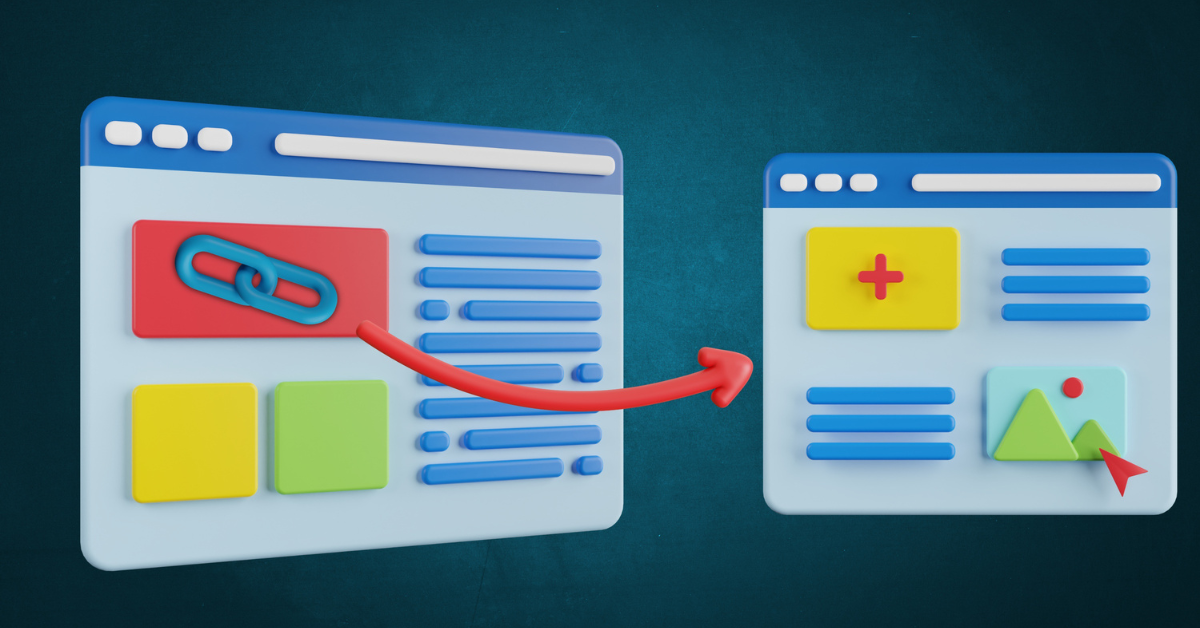
An outbound link, also known as an external link, is a hyperlink that directs users from one website to another.
For example, if Website A includes a link pointing to Website B, that link is considered an outbound link from Website A’s perspective.
Outbound links are commonly included in articles to provide additional context, support claims, and direct readers to more detailed or relevant information.
Ideally, the destination should be a trustworthy and authoritative source.
Linking to credible websites can help readers understand where information comes from and allow them to explore a topic in greater depth.
For this reason, if you want your content to appear more reliable and useful, there is no need to hesitate when linking to relevant and trustworthy sources.
Outbound links can also contribute to a better user experience, and user experience remains an important consideration in modern SEO.
Outbound Links vs. Inbound Links (Backlinks)
If an outbound link sends users from your website to another website, what exactly is an inbound link?
An inbound link works in the opposite direction.
For example, if Website A publishes an article containing a link to an article on Website B, Website B receives an inbound link.
Inbound links are more commonly known as backlinks.
Both outbound links and backlinks can play important roles in SEO because they help create connections between relevant content and can provide additional context for both users and search engines.
Here is a simple breakdown of the differences:
- Outbound links point from your website to another website, while inbound links come from another website to yours.
- An outbound link can be seen as directing users toward another source, while an inbound link represents another website pointing users toward your content.
- Outbound links may pass link equity to another website, while inbound links can bring link equity to your own website.
- Outbound links can send traffic away from your website, while inbound links can bring referral traffic to your website.
Because of these differences, many website owners naturally prefer receiving backlinks rather than giving outbound links.
However, this is where the SEO mindset should change.
Links should not simply be viewed in terms of winning or losing value. The more important question is whether a link provides useful information and improves the experience of the person visiting your website.
Benefits of Using Outbound Links
Some website owners are extremely reluctant to include outbound links and may avoid them altogether.
In reality, linking to relevant and trustworthy external sources can provide several benefits.
Here are some of the main advantages of using outbound links.
1. They Strengthen Topical Context
Linking to relevant external resources can help provide additional context around the topic being discussed.
A well-placed external link can support the subject of an article and make it easier for users to access further information.
It can also demonstrate that the content is part of a broader information ecosystem rather than existing in isolation.
Outbound links may be particularly useful when discussing topics related to YMYL (Your Money or Your Life) subjects, where reliable information and trustworthy sources are especially important.
For that reason, website owners should not automatically be afraid of linking to authoritative and relevant external resources.
2. They Add More Value for Readers
Some people may wonder whether including outbound links can negatively affect a website.
In general, linking to useful and relevant resources can provide additional value to readers.
External links allow users to:
- Learn more about a particular subject.
- Check the original source of information.
- Explore supporting research or evidence.
- Better understand whether the information is relevant to their needs.
In other words, a useful link can improve the overall usefulness of an article.
3. They Can Help Build Reader Trust
Think about academic writing.
When writing a paper for school or university, authors often include citations, research, statistics, and references to support their arguments.
The same principle can apply to online content.
Outbound links can serve as references for information included in an article.
If you use statistics, quotes, research findings, images, or information from another source, linking to the original source can help readers verify the information.
Providing clear references can also make your content more transparent.
After all, readers are more likely to trust information when they can see where important claims and data originated.
4. They Can Demonstrate Expertise
Google’s E-E-A-T framework refers to:
- Experience
- Expertise
- Authoritativeness
- Trustworthiness
These concepts can relate to the author, the individual piece of content, and the website or brand as a whole.
Using relevant and authoritative sources within an article can help demonstrate that the author has researched the subject and understands the broader context surrounding the topic.
Clear sourcing, references, author information, and links to relevant supporting material can all contribute to a more transparent and credible content experience.
The key idea is simple: when making important claims, showing readers where the information comes from can strengthen the credibility of the content.
How to Use Outbound Links Properly
After understanding what outbound links are and why they can be useful, the next question is how to implement them correctly.
Here are several best practices.
1. Pay Attention to Where You Link
One common mistake is adding external links without properly reviewing the destination website.
Do not add links randomly.
Whenever possible, link to sources that are:
- Relevant to the topic.
- Trustworthy.
- Useful for readers.
- Accessible and actively maintained.
An external link should appear naturally within the content rather than being inserted simply for the sake of having an external link.
In general, outbound links serve two main purposes:
- To provide a reference or source of information.
- To direct users toward additional resources they may find useful.
If a link does neither of these things, there may be little reason to include it.
2. Use Link Attributes When Necessary
In certain situations, you may need to use specific link attributes to help search engines understand the relationship between your website and the linked page.
Common examples include:
- rel=”sponsored” — Used for paid or sponsored links.
- rel=”nofollow” — Used when you do not want to explicitly endorse or pass certain signals through a link.
- rel=”ugc” — Used for links created within user-generated content, such as comments or forum posts.
These attributes provide additional context about why and how a link appears on a page.
However, they should be used based on the actual nature of the link rather than being applied automatically to every outbound link.
3. Audit Problematic Outbound Links
Outbound links should be reviewed periodically.
SEO tools such as Semrush and Ahrefs can help website owners identify potential issues with external links.
One common problem is broken links.
A broken link occurs when the destination page is no longer available or cannot be accessed.
If you discover a broken outbound link, you should either:
- Replace it with a relevant and working source.
- Update the URL if the content has moved.
- Remove the link if no suitable replacement is available.
Regularly auditing external links helps ensure that readers are not directed toward outdated, unavailable, or potentially unreliable pages.
Final Thoughts
The websites and publishers whose information we use often invest significant time and resources into research, testing, interviews, and data collection.
When using information from those sources, proper attribution matters.
Providing relevant outbound links is not something website owners should be afraid of.
When used correctly, external links can provide readers with additional information, improve transparency, strengthen topical context, and contribute to a better overall user experience.
The important thing is to link carefully.
Always consider who you are linking to, whether the source is trustworthy and relevant, and whether a particular link attribute is necessary.
Ultimately, outbound links should serve one primary purpose: helping users access better and more reliable information.
When your linking decisions are guided by usefulness rather than fear of losing traffic, external links can become a valuable part of a well-rounded SEO and content strategy.
References

An SEO Specialist & PR Strategist with over 5 years of experience in outreach guest posting, link building, and content marketing. Focused on building brand awareness through measurable digital marketing strategies. With a background in journalism and a wide professional network across Indonesia.