How to Get Backlinks From Government Websites: A Practical Guide
Government backlinks are often considered some of the most difficult links to earn in SEO. Many link builders actively look for domains such as .gov, .gov.uk, or .go.id because they assume these domains carry special SEO value.
There is an important distinction to make, though: Google does not guarantee that a backlink is more valuable simply because it comes from a government domain.
What matters more is the context surrounding the link. Is the page relevant to your topic? Is the link editorially justified? Does it help the page’s visitors? And, most importantly, is there a legitimate reason for the government organization to reference your website?
So, if you’re looking for ways to get backlinks from government websites, the better approach isn’t to ask, “How can I get as many .gov links as possible?” Instead, ask:
“What can I create or contribute that gives a government organization a genuine reason to reference my website?”
What Is a Government Backlink?
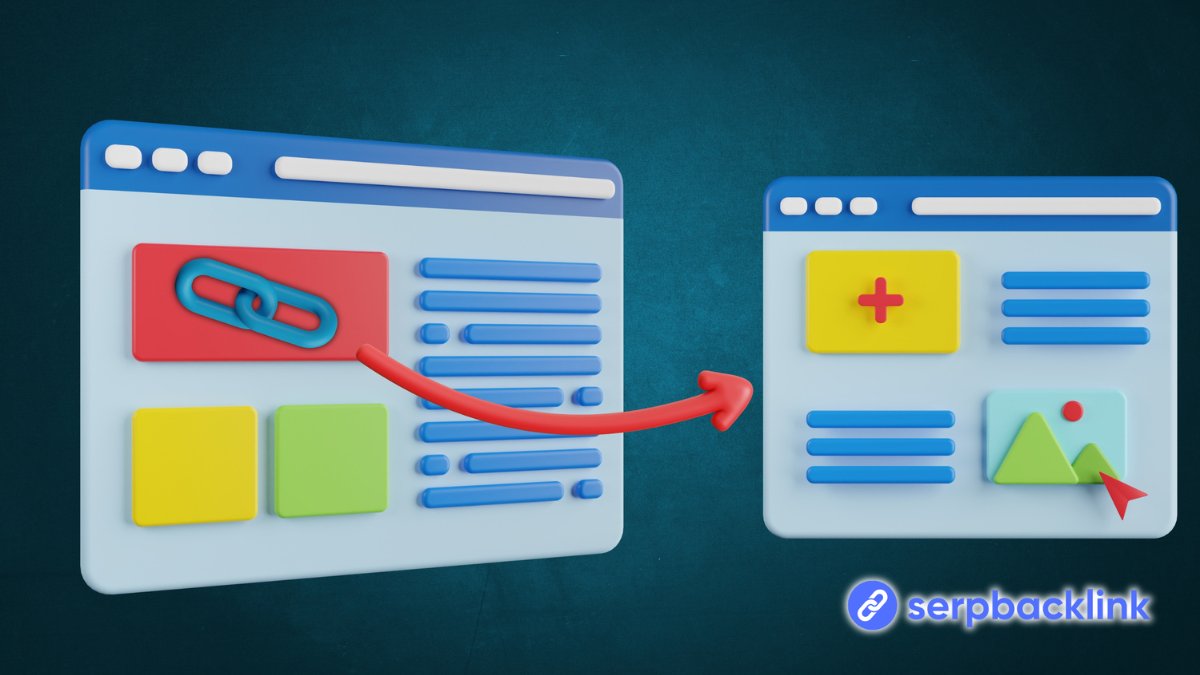
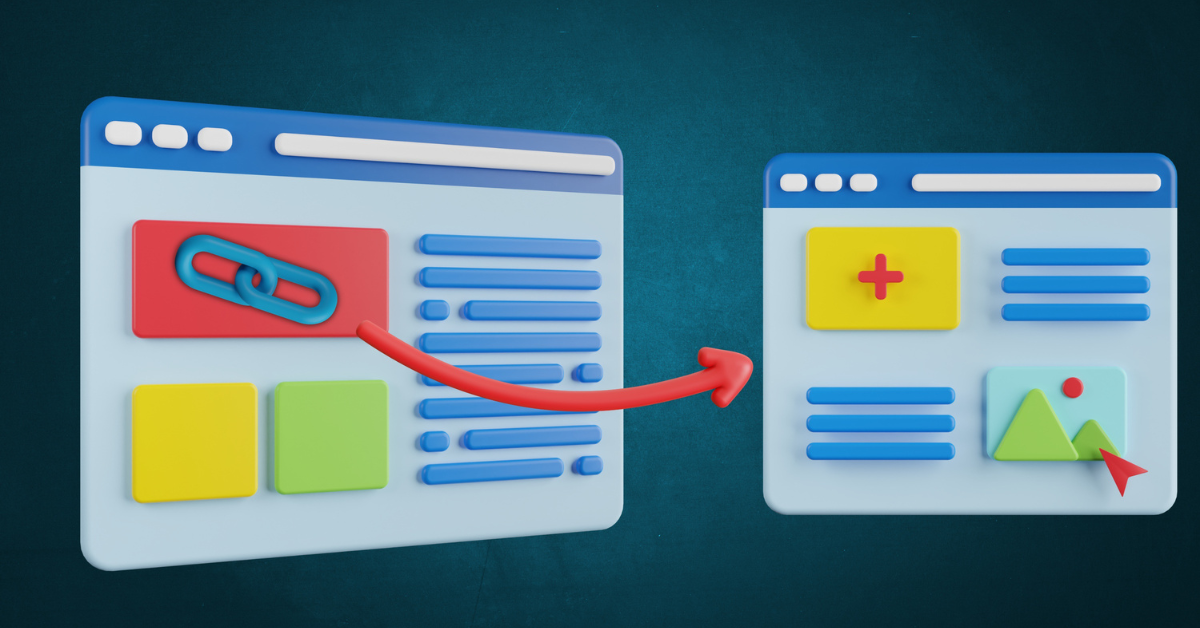
A government backlink is a link from a webpage operated by a government agency, department, institution, or other official public-sector organization to another website.
Government backlinks can come from:
- Federal or national government websites.
- State, provincial, or regional government websites.
- Local government websites.
- Government departments and agencies.
- Public universities and educational institutions.
- Government-funded programs and initiatives.
- Official reports, research, events, or public information pages.
The domain structure varies from country to country. The United States commonly uses .gov, the United Kingdom uses .gov.uk, while Indonesia uses government domains such as .go.id.
For that reason, the term “government backlink” is broader than simply “.gov backlink.”
Does a .gov Backlink Automatically Improve SEO?
No. There is no general rule saying that every backlink from a government domain automatically improves Google rankings.
Google has long used links as part of its search systems. PageRank, for example, analyzes the relationships between pages through links and has been part of Google’s ranking systems since the company’s early years. But that is very different from saying that every government link receives a special ranking boost simply because of its domain extension.
In other words:
.gov domain ≠ automatic SEO boost.
A backlink from a government page that is highly relevant to your subject can have a very different context from a link placed on an unrelated government page.
A link can also provide value beyond rankings, including referral traffic, visibility, credibility, and helping users discover a useful resource.
What Makes a Government Backlink Valuable?
Instead of focusing only on the domain extension, evaluate the actual context of the backlink.
1. Relevance
Relevance should be one of the first things you examine.
For example, suppose your website publishes research about waste management and plastic recycling. A link from a government page discussing environmental programs is contextually more understandable than a link from a completely unrelated government page.
The question is simple:
Does your content genuinely belong in the conversation?
2. Editorial Context
Look at why the link exists.
A link included because it provides an additional source, reference, tool, or explanation is very different from a link inserted purely to manipulate search rankings.
The surrounding content matters just as much as the domain.
3. Usefulness to Visitors
Ask yourself:
“Would this link actually help someone visiting the government website?”
If the answer is yes, you have a much stronger reason for the link to exist.
4. Quality of the Referenced Resource
Government organizations generally have little reason to reference a page that is thin, inaccurate, overly promotional, or provides no additional value.
If you want other organizations to reference your content, the resource itself needs to be worth referencing.
How to Get Backlinks From Government Websites
There is no special submission button for getting a government backlink.
Most legitimate opportunities come from a genuine connection between your organization, your content, and something the government organization is already doing.
1. Create a Resource Worth Referencing
This is probably the most important part of the entire strategy.
Create something that gives another organization a clear reason to reference it.
Examples include:
- Original research.
- Industry reports.
- Local economic data.
- Public-interest guides.
- Interactive calculators.
- Data visualizations.
- Educational resources.
- Local market research.
- Technical documentation.
- Community resources.
For example, a digital marketing company could publish a detailed report about the growth of small businesses in a particular region using publicly available data and a transparent methodology.
If the report provides useful information, it may become relevant to journalists, researchers, universities, businesses, community organizations, or government institutions covering the same subject.
The objective isn’t to create the report simply because you want a backlink. The objective is to create something useful enough that other organizations may want to reference it.
2. Participate in Relevant Government Programs
If your company genuinely participates in a government-supported program, that activity may be documented on an official website.
Potential examples include:
- Small business development programs.
- Community development initiatives.
- Environmental programs.
- Educational programs.
- Social initiatives.
- Community partnerships.
- Public seminars or events.
- Research programs.
The important distinction is intent.
Do not participate in a government program simply to manufacture a backlink.
If the relationship is real and the organization is legitimately mentioned on an official page, any resulting link is a consequence of an actual activity rather than an artificial SEO placement.
3. Contribute Research or Data
Original data can be particularly useful when it answers a question that matters to the public.
For example, you could publish research about:
- Local housing prices.
- Small business growth.
- Digital adoption.
- Transportation trends.
- Tourism.
- Environmental conditions.
- Local economic activity.
- Internet usage.
The more transparent your methodology is, the easier it is for readers to understand how the information was produced.
If a government organization later references that research, the link exists because the data is useful—not because you convinced someone to insert a backlink.
4. Work With Government Organizations Legitimately
If your business genuinely works with a government organization as a vendor, contractor, consultant, partner, or service provider, that relationship may create legitimate opportunities for public references.
For example, an official page may list participating organizations, suppliers, partners, or contractors as part of a public project.
However, a business relationship does not automatically entitle you to a backlink.
If an official page naturally lists participating organizations and your company qualifies, that’s one thing. Asking an organization to add an unrelated SEO link simply because you have done business with them is another.
5. Create Useful Local Resources
Government websites at the local level can sometimes provide opportunities because their content is focused on specific communities.
Useful resources might cover:
- Local business information.
- Economic data.
- Tourism information.
- Environmental resources.
- Local industry research.
- Community services.
- Investment information.
- Public-interest guides.
If your content genuinely helps people in a particular area, it becomes easier to explain why a local government organization might reference it.
How to Find Government Backlink Opportunities
Instead of searching for massive lists of “.gov backlink opportunities,” look for government pages that are already relevant to your subject.
Search operators can help with discovery. For example:
site:.gov "resources" [topic]site:.gov "useful links" [topic]site:.gov "research" [topic]site:.gov "partners" [topic]site:.gov "community" [topic]site:.gov "report" [topic]
Like for Indonesian government websites, you can adapt the search to domains such as site:go.id.
Keep in mind that finding a government page in search results does not automatically mean you have a backlink opportunity.
Each page still needs to be reviewed manually.
What to Check Before Pursuing a Government Backlink
Before contacting an organization, evaluate the opportunity from a reader’s perspective.
| Factor | What to Ask |
|---|---|
| Relevance | Is the page related to my topic or audience? |
| Purpose | Why would the page need this resource? |
| Audience | Would visitors actually benefit from it? |
| Quality | Does my resource provide reliable information? |
| Editorial Context | Can the link fit naturally into the page? |
| Policy | Does the organization allow or publish external references? |
If you cannot answer the question “Why would this government organization want to link to my website?”, the opportunity probably needs more work.
What About Government Directories?
Government directories can sometimes provide legitimate citation opportunities, but they should be approached carefully.
For example, a local government may maintain an official business directory. If your company meets the directory’s requirements, being listed can be useful for reasons beyond SEO.
But you should not try to submit your website to unrelated government directories simply because they provide a backlink.
The listing should accurately represent your organization and serve a legitimate public or administrative purpose.
Can You Buy .Gov Backlinks?
This is where things become particularly important for SEO practitioners.
Google’s spam policies identify buying or selling links for the purpose of manipulating search rankings as a form of link spam. Google also explains that paid links used for advertising or sponsorship should be qualified appropriately, including with attributes such as nofollow or sponsored where applicable.
That means an offer such as “100 high-authority .gov backlinks” should immediately raise questions about how those links were obtained.
A legitimate government backlink is not simply an SEO product that can be ordered in bulk.
What About .Gov Backlink Services?
There are SEO providers that advertise government backlink packages.
The important question isn’t simply whether the links come from government domains.
Ask:
- How were the links obtained?
- Why does the government page link to the website?
- Is the page relevant?
- Was the link editorially justified?
- Was money exchanged specifically for ranking purposes?
- Is the provider transparent about the actual placement?
If a provider cannot explain where the links come from or why the links exist, don’t judge the offer solely by domain authority or the number of government domains involved.
Why Irrelevant Government Links Can Be a Weak Strategy
Imagine that a website about SEO receives a backlink from a government page about a public health program with no connection to SEO, digital marketing, technology, or business.
The domain might look impressive in an SEO tool.
But the actual relationship between the two pages is weak.
This is why chasing domain extensions can distract from what actually makes a link useful.
Context matters more than vanity metrics.
Do Nofollow Government Links Still Matter?
Not every useful link needs to be treated as a traditional followed backlink.
A link can still help users discover a resource, generate referral traffic, increase visibility, and establish a useful connection between two websites even when it carries a link attribute that limits how search engines treat it for ranking purposes.
Google supports link attributes such as nofollow, sponsored, and ugc to help site owners communicate the nature of links.
So, don’t automatically reject a legitimate government reference simply because it isn’t a conventional “dofollow” link.
How to Approach a Government Organization
If you have a genuinely relevant resource, your outreach should be concise and focused on usefulness.
A poor outreach email might say:
“Please add our website to your government page because it will improve our SEO.”
That gives the recipient very little reason to care.
A more useful approach would explain the resource and its relevance:
“We recently published a publicly available report covering [topic], including the methodology and supporting data. Your department’s resource page discusses [related topic], so we thought the report might be useful as an additional reference for your readers.”
Then let the organization decide whether the resource belongs on its website.
Common Mistakes When Building Government Backlinks
Chasing the Domain Extension
The first mistake is treating .gov as the goal.
The goal should be earning a relevant reference from a credible organization.
Buying Links Without Understanding Their Origin
Don’t purchase a backlink package simply because it promises “high-authority government links.” Find out how the links are acquired and whether the process is legitimate.
Promoting Irrelevant Resources
If your resource has nothing to do with the page’s subject, there may be no legitimate editorial reason to include it.
Sending Mass Outreach
Government organizations have different responsibilities, audiences, and policies.
Sending the same generic email to hundreds of agencies is unlikely to produce meaningful relationships.
Focusing Only on SEO Metrics
Metrics such as Domain Authority, Domain Rating, or Authority Score can be useful for research, but they don’t explain why a government organization should reference your content.
The stronger question is:
Does this resource genuinely help the people who visit that government page?
A Practical Government Backlink Workflow
If you want to approach government link opportunities systematically, use this workflow:
- Choose a relevant topic. Focus on a subject that genuinely connects to your website and expertise.
- Identify relevant government organizations. Look for agencies or departments working in that area.
- Find relevant pages. Search for reports, research, resource pages, programs, directories, and public information pages.
- Evaluate the opportunity. Determine whether there is a legitimate reason for your resource to be referenced.
- Create the resource. Make sure your page is accurate, useful, accessible, and genuinely worth citing.
- Contact the appropriate person or department. Explain the resource and its relevance rather than asking for SEO value.
- Respect the decision. Not every outreach attempt will result in a link, and that’s normal.
- Measure the broader outcome. Look at referral traffic, visibility, mentions, relationships, and links rather than focusing only on ranking metrics.
Government Backlinks Are About Relevance, Not a Shortcut
If there is one idea worth taking away from this guide, it is this:
Don’t chase government backlinks simply because the domain looks authoritative.
A useful government backlink usually has a reason to exist.
Your research, data, public resource, partnership, event, or contribution should provide something relevant to the organization and its audience.
If the only reason you want the link is to manipulate rankings, the strategy can quickly move into territory that conflicts with search engine spam policies.
Google’s current spam policies specifically identify practices such as buying or selling links for ranking manipulation and other forms of artificial link creation as spam.
Instead of asking:
“How do I get a .gov backlink?”
Ask:
“What can I create or contribute that gives a government organization a legitimate reason to reference my website?”
That question leads to a much more sustainable approach to link building.
Frequently Asked Questions
Are .gov backlinks better for SEO?
Not automatically. A government domain does not guarantee that a backlink will improve rankings. Relevance, context, quality, and how the link was acquired are more meaningful considerations.
How can I get a backlink from a government website?
Legitimate opportunities can come from publishing useful resources, contributing research or data, participating in relevant programs, working with public institutions, or creating information that a government organization has a genuine reason to reference.
Can I buy government backlinks?
Buying links specifically to manipulate search rankings falls within Google’s definition of link spam. Paid links used for legitimate advertising or sponsorship purposes have separate requirements for qualifying the links.
Do .gov backlinks guarantee higher rankings?
No. There is no guarantee that a backlink from a government website will produce a particular ranking improvement.
Are nofollow government backlinks useful?
They can be. A link can provide referral traffic, visibility, and useful navigation for visitors even when it is not treated as a conventional followed link for ranking purposes.
Should I focus on .gov or .go.id backlinks?
Neither domain extension should be treated as the sole criterion. For an Indonesia-focused website, a relevant government website in Indonesia may make more sense than an unrelated government website from another country.
What is the best way to build government backlinks?
There is no universal method. A sustainable approach is to create useful, relevant resources and build legitimate relationships that give public institutions a genuine reason to reference them.
Final Takeaway
Government backlinks can be useful, but not because .gov has some kind of magic SEO power.
The real value of a link comes from relevance, context, quality, and the legitimate reason behind the reference.
If you want to earn backlinks from government websites, stop looking for shortcuts. Look for questions, problems, and information gaps that you can genuinely help solve.
When your resource is genuinely useful, a backlink can become the result of the value you provide—not something you have to force.

An SEO Specialist & PR Strategist with over 6 years of experience in outreach guest posting, link building, and content marketing. Focused on building brand awareness through measurable digital marketing strategies. With a background in journalism and a wide professional network.