What Is a Backlink Profile? A Practical Guide to HubSpot and SEO
If you are researching backlinks and SEO, you may have come across the phrase backlink profile while using HubSpot or another SEO platform.
So, what is a backlink profile, and why does it matter?
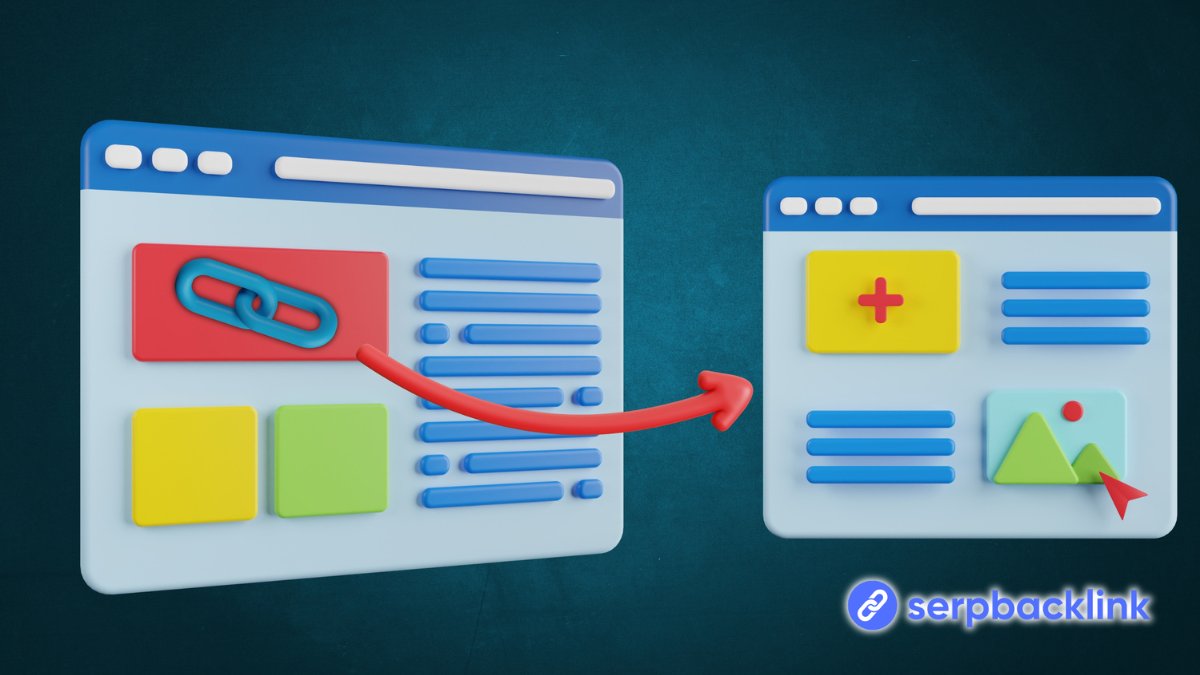
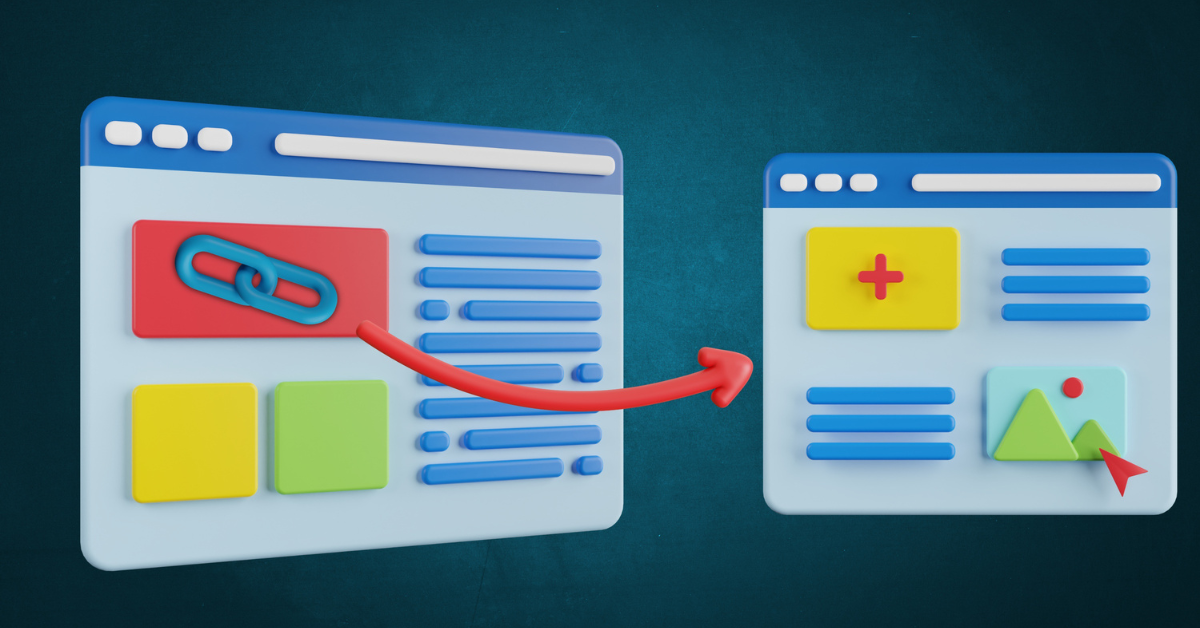
A backlink profile is the overall collection of links from other websites pointing to a website or specific domain. It includes more than the number of backlinks. A useful backlink profile analysis looks at where the links come from, how relevant those websites are, what anchor text they use, whether the links are followed or not, and whether the referring domains appear trustworthy.
For website owners, marketers, and SEO professionals, understanding the backlink profile can help identify opportunities, evaluate link-building efforts, and spot potentially problematic links.
What Is a Backlink Profile?
A backlink profile describes the characteristics of the external links pointing to a website.
For example, imagine a website has 500 backlinks. That number alone does not tell you very much. Those links could come from 500 different websites, or most of them could come from only a handful of domains.
The links could also vary significantly in quality and relevance. Some might come from industry publications, while others could come from unrelated websites, directories, comments, or automatically generated pages.
That is why SEO professionals generally look beyond the raw backlink count.
A backlink profile can include information such as:
- The number of backlinks
- The number of referring domains
- The authority and quality of referring websites
- The topical relevance of referring domains
- Anchor text used by linking pages
- Dofollow and nofollow links
- Links from different countries or geographic locations
- Links pointing to different pages on the website
- Potentially suspicious or low-quality links
- The growth of backlinks over time
Why Does a Backlink Profile Matter?
Backlinks can help search engines discover pages and understand relationships between websites. Links can also bring direct referral traffic when people click them.
However, having more backlinks does not automatically mean a website will rank higher.
The context and quality of those links matter. A relevant editorial link from a respected website in the same industry can be much more meaningful than hundreds of links from unrelated or low-quality pages.
Looking at the backlink profile therefore gives SEO practitioners a broader picture of a website’s off-page presence.
What Does a Healthy Backlink Profile Look Like?
There is no single backlink profile that every website should try to copy. A new local business, a global technology company, and a news website will naturally acquire links in different ways.
Instead of looking for a fixed number of backlinks, look for a profile that makes sense for the website and its industry.
Some characteristics worth examining include:
Relevant Referring Domains
Relevance is an important consideration when evaluating backlinks.
If a technology website receives a link from a reputable technology publication discussing a related subject, the link has a clear contextual relationship. A large number of links from completely unrelated websites may tell a different story.
Different Referring Websites
It is useful to distinguish between backlinks and referring domains.
One website might create dozens of links to another website. Those links increase the backlink count, but they still come from one referring domain.
For this reason, SEO analysis often considers both metrics rather than relying on backlink volume alone.
Natural Anchor Text
Anchor text is the clickable text used for a link.
A natural backlink profile usually contains a mixture of brand names, URLs, descriptive phrases, and other naturally occurring anchor text.
Over-optimizing anchor text around exact-match commercial keywords can create an unnatural pattern and may increase SEO risk.
Links From Different Types of Websites
A website can naturally receive links from many sources, including publications, blogs, organizations, business directories, partners, communities, and other relevant websites.
The important point is not to manufacture artificial diversity simply to make a backlink profile look natural. Links should primarily exist because another website has a reason to reference the content.
What Is HubSpot’s Role in Backlink Analysis?
HubSpot provides SEO and marketing tools that can help businesses manage their broader search strategy. Depending on the HubSpot product, subscription, and current feature set, the available SEO and reporting capabilities can vary.
When researching a phrase such as “what is a backlink profile HubSpot”, it is useful to separate the general SEO concept from the specific tools used to analyze it.
A backlink profile is a concept that applies to any website. HubSpot is simply one platform that can be used as part of a broader marketing and SEO workflow.
For detailed backlink discovery and link-level analysis, SEO professionals may also use dedicated backlink databases and SEO platforms. These tools can provide information such as referring domains, anchor text, link attributes, and historical link data.
Backlink Profile vs. Backlink Count
These terms are related, but they are not the same.
| Metric | What It Tells You |
|---|---|
| Backlinks | The number of individual links pointing to a website or page. |
| Referring domains | The number of unique websites that provide backlinks. |
| Anchor text | The visible clickable text used for links. |
| Link attributes | Information about how links are classified, such as nofollow or other supported attributes. |
| Backlink profile | The broader picture of the website’s inbound links and their characteristics. |
This distinction is important because a website with 10,000 backlinks is not necessarily in a stronger SEO position than a website with 1,000 backlinks.
The source, context, relevance, and overall pattern of those links matter.
How to Analyze a Backlink Profile
You do not need to make backlink analysis unnecessarily complicated. A practical review can start with a few fundamental questions.
1. Check the Number of Referring Domains
Start by identifying how many unique domains link to the website.
This gives you a better understanding of the breadth of the site’s backlink acquisition than the total backlink count alone.
2. Review the Linking Websites
Look at the websites that are sending links.
Ask:
- Are they relevant to the site’s topic?
- Do they appear to be legitimate websites?
- Do they publish useful content?
- Would their audience reasonably benefit from visiting the linked website?
- Are the links editorial or obviously created for SEO purposes?
3. Examine Anchor Text
Review the phrases used to link to your website.
If almost every backlink uses the same commercial keyword, investigate further. A naturally acquired link profile is unlikely to consist entirely of identical anchor text.
4. Look at the Pages Receiving Links
Do not analyze only the homepage.
Check which pages are attracting backlinks. Strong content assets, research, tools, guides, statistics, and original resources may naturally attract links without every link pointing to the homepage.
5. Review Link Growth Over Time
Historical data can provide useful context.
A website that consistently earns links through content, publicity, partnerships, and genuine references will have a different acquisition pattern from a site that suddenly receives a large number of questionable links.
A sudden increase is not automatically a problem. Viral content, news coverage, product launches, or successful digital PR campaigns can also generate rapid backlink growth.
Are All Backlinks Valuable?
No.
Backlinks vary considerably in their usefulness.
A link can have value because it sends relevant referral traffic, helps users discover useful information, supports editorial context, or comes from a credible and relevant publication.
On the other hand, links created primarily to manipulate search rankings can present risks, particularly when they violate search engine spam policies.
This is why backlink analysis should focus on quality and context rather than simply chasing higher numbers.
Should You Remove Bad Backlinks?
Not every low-quality backlink requires immediate action.
Websites naturally accumulate links from many sources over time, including websites that the site owner has no control over.
If you discover an unusual backlink, first determine where it came from and whether it actually represents a meaningful SEO problem.
For situations involving potentially manipulative links that you cannot get removed, Google’s documentation provides guidance on handling links and when the disavow tool may be appropriate.
The important point is to avoid treating every unfamiliar backlink as harmful.
Backlink Profile and Link Building
Understanding your backlink profile can also improve your link-building strategy.
Instead of asking:
“How can I get 1,000 backlinks?”
A better question is:
“What kind of websites would genuinely want to reference this content?”
That shift changes the strategy.
You might discover that your website needs:
- More original research
- Better data or statistics
- More useful tutorials
- Digital PR campaigns
- Industry partnerships
- Expert commentary
- Useful tools or resources
- More comprehensive evergreen content
The goal is not simply to increase the number displayed in a backlink tool. The goal is to create assets that other websites have a legitimate reason to reference.
Common Backlink Profile Mistakes
Focusing Only on Domain Authority
Third-party metrics can be useful for comparison, but they are not the same thing as Google’s ranking systems.
Do not judge an entire backlink profile using one numerical metric.
Chasing Backlink Quantity
Thousands of low-value links may look impressive in a report, but they do not automatically translate into better search visibility.
Ignoring Relevance
A link from a website with a high third-party authority score is not automatically useful if the website has little relationship to your subject.
Using the Same Anchor Text Everywhere
Overly aggressive exact-match anchor text can create an unnatural link pattern.
Buying Links Without Understanding the Risk
Paid links are not inherently identical to organic editorial links. If links are bought primarily to manipulate search rankings, they can conflict with search engine guidelines.
When considering sponsored placements, understand the appropriate link attributes and disclosure requirements rather than treating every paid placement as a conventional editorial backlink.
What Should You Look for in a Backlink Report?
A useful backlink report should help you answer practical questions rather than simply display a large list of URLs.
At minimum, consider reviewing:
- Total backlinks
- Referring domains
- Top linking websites
- Anchor text distribution
- Linked pages
- Link attributes
- Historical backlink growth
- Relevant and potentially suspicious links
- Referral traffic where available
Combining these signals gives you a much clearer picture than looking at backlink volume alone.
Frequently Asked Questions
What is a backlink profile in SEO?
A backlink profile is the overall collection and characteristics of external links pointing to a website. It includes factors such as referring domains, anchor text, link attributes, relevance, and link growth over time.
Why is a backlink profile important?
It helps SEO professionals understand how a website is referenced across the web and identify opportunities, unusual patterns, and areas for improvement in off-page SEO.
Is a higher number of backlinks always better?
No. Backlink quality, relevance, context, and the overall pattern of links are generally more useful considerations than raw backlink volume.
Can HubSpot analyze backlinks?
HubSpot includes SEO and marketing capabilities, but the exact backlink-related functionality can depend on the current product and subscription. For detailed backlink intelligence, dedicated SEO tools may provide more specialized link data.
What is the difference between backlinks and referring domains?
A backlink is an individual link, while a referring domain is a unique website that links to your website. One domain can generate many backlinks.
How often should I analyze my backlink profile?
There is no universal schedule. Regular monitoring can be useful for established websites, particularly after major campaigns, migrations, PR activity, or significant changes in organic search performance.
Final Thoughts
A backlink profile is much more than a backlink counter.
It provides a broader view of how a website is connected to the rest of the web, including which sites link to it, what pages they reference, what anchor text they use, and how the link profile changes over time.
If you are using HubSpot or another marketing platform, treat backlink analysis as one part of a wider SEO process. Look beyond the headline numbers and investigate the relevance, context, quality, and purpose of the links.
Ultimately, the strongest link-building strategy is not about collecting as many backlinks as possible. It is about creating something useful enough that relevant websites have a genuine reason to reference it.

An SEO Specialist & PR Strategist with over 6 years of experience in outreach guest posting, link building, and content marketing. Focused on building brand awareness through measurable digital marketing strategies. With a background in journalism and a wide professional network.