Semantic HTML and Its Impact on SEO: What Website Owners Need to Know
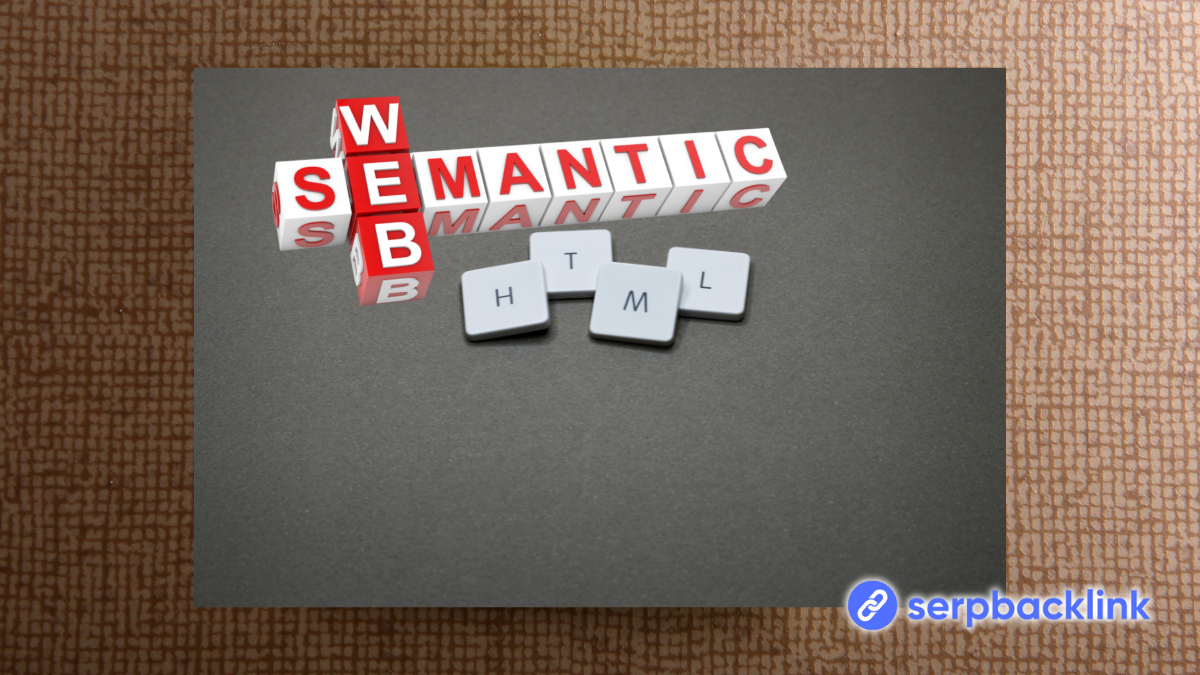
HTML is the basic markup language behind almost every website you visit. If you work in SEO or web development, you’ve probably dealt with HTML countless times, especially when working on technical SEO.
But there’s another term that often comes up: semantic HTML.
So, what exactly does it mean? Is semantic HTML different from regular HTML? And more importantly, does using semantic HTML actually help SEO?
Let’s break it down.
What Is Semantic HTML?
Semantic HTML refers to using HTML elements that clearly describe the meaning and purpose of the content they contain.
Instead of treating every part of a webpage as a generic container, semantic elements tell browsers, developers, assistive technologies, and other systems what a particular section actually represents.
For example, a <nav> element indicates navigation, while <article> identifies a self-contained piece of content. Likewise, <footer> tells us that the content belongs to the footer area of the page.
In simple terms, semantic HTML gives structure and meaning to a webpage.
This is different from non-semantic HTML, where an element doesn’t tell you anything meaningful about the content inside it.
Common Examples of Semantic HTML Tags
There are quite a few semantic HTML elements that can be used to organize a webpage.
Some of the most common include:
<header>
<nav>
<main>
<article>
<section>
<aside>
<footer>
<h1> to <h6>
<p>
<a>
<ol>
<ul>
<q>
<em>
<strong>
<code>
Each element has a specific purpose.
For instance, <article> can be used for an independent piece of content, such as a blog post or news article. <section> can divide related content into logical groups, while <aside> is commonly used for supporting or secondary information.
On the other hand, <div> and <span> are generally considered non-semantic elements.
They work mainly as containers. A <div> doesn’t tell you whether its content is a navigation menu, article, footer, or another type of page section. That meaning has to come from the surrounding structure, attributes, or styling.
Why Does Semantic HTML Matter for Websites?
One obvious advantage is code readability.
When a developer opens a page built with meaningful HTML elements, it’s easier to understand how the page is organized. A <header>, <main>, and <footer> communicate their purpose much more clearly than a page filled with generic <div> containers.
But the benefits aren’t limited to developers.
Semantic HTML also plays an important role in web accessibility.
Assistive technologies such as screen readers can use the structure of a webpage to help users navigate its different areas. When the HTML accurately describes what each section represents, users can more easily identify the main content, navigation, supporting information, and other important parts of the page.
Here’s where it gets interesting: accessibility and clean structure aren’t separate from good website development. They’re part of building a page that different types of users and technologies can understand.
How Semantic HTML Relates to SEO
Semantic HTML can also support your SEO efforts because it provides clearer information about the structure and meaning of a webpage.
Search engine crawlers, including Googlebot, need to process the content and structure of web pages to understand what they’re about. Well-structured HTML can make that interpretation easier.
For example, using heading elements appropriately helps establish a content hierarchy. Elements such as <article>, <main>, and <nav> can also communicate the role of different sections on a page.
That doesn’t necessarily mean semantic HTML will automatically push a page higher in Google’s search results.
Instead, think of it as providing better structure and context for your content.
For website owners, this matters because technical clarity can support both search engine understanding and the overall usability of the page.
Is Semantic HTML a Google Ranking Factor?
This is where things are often misunderstood.
Semantic HTML itself isn’t a direct ranking factor that automatically improves a website’s position in Google.
Google’s John Mueller has previously explained that semantic HTML can help Google understand the content of a webpage, but it shouldn’t be viewed as some kind of magic ranking multiplier.
In other words, adding <article> or <section> to a page doesn’t suddenly make that page more authoritative or guarantee a better position in the SERP.
The bigger value comes from the broader benefits of having a properly structured website.
Semantic HTML can contribute to:
- Clearer page structure
- Better accessibility
- Easier code maintenance
- Improved understanding of content structure
- Better interaction with assistive technologies
- A cleaner technical foundation for SEO
These benefits can support a better overall website experience, even though semantic HTML isn’t a standalone ranking signal.
Semantic HTML Is About More Than SEO
It’s easy to look at semantic HTML purely from an SEO perspective, especially when you’re working on technical optimization.
But that’s only part of the picture.
A properly structured webpage is easier for developers to maintain, easier for assistive technologies to interpret, and easier for users to navigate. Search engines are another system that benefits from clearer structure.
So, what does this actually mean for website owners?
Don’t use semantic HTML simply because you expect a ranking boost. Use it because it helps communicate what your content and page structure actually mean.
When SEO, accessibility, usability, and clean development practices point in the same direction, semantic HTML becomes a practical part of building a better website rather than just another item on an SEO checklist.
References:

An SEO Specialist & PR Strategist with over 6 years of experience in outreach guest posting, link building, and content marketing. Focused on building brand awareness through measurable digital marketing strategies. With a background in journalism and a wide professional network.


One thought on “Semantic HTML and Its Impact on SEO: What Website Owners Need to Know”