Off-Page SEO: What It Is, Why It Matters, and How to Do It
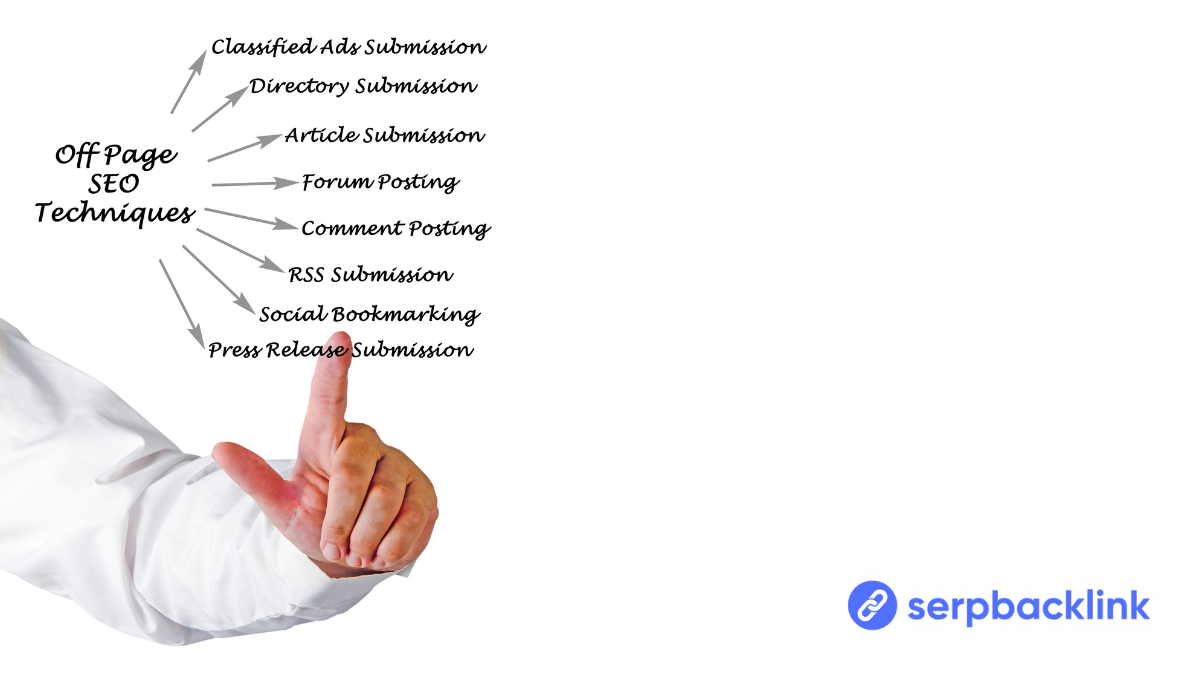
If you’re working on SEO, you’ve probably heard the same two terms over and over: on-page SEO and off-page SEO.
On-page SEO deals with what happens on your own website, from content and internal links to technical elements that help search engines understand your pages. Off-page SEO takes a different route. It’s about what happens outside your website that can influence how people and search engines perceive your brand.
And no, off-page SEO isn’t simply another name for link building.
Backlinks are certainly part of it, but there’s a much bigger picture. Reputation, mentions, reviews, local visibility, and relationships with other websites or experts can all play a role.
So, what exactly counts as off-page SEO, and what can you actually do about it?
Let’s break it down.
What Is Off-Page SEO?
Off-page SEO refers to activities performed outside your own website to improve its visibility, reputation, and overall presence in search results.
The basic idea is pretty simple.
Your website doesn’t exist in isolation. Search engines can look at signals beyond your own pages to understand whether a website appears trustworthy, relevant, and authoritative.
That’s where off-page SEO comes in.
Backlinks are one example. When another website links to your content, it can act as a recommendation or reference. But the quality and context of that recommendation matter. A link from a relevant, trusted website is generally much more meaningful than a pile of random links from unrelated sites.
And this is exactly why off-page SEO and link building shouldn’t be treated as identical concepts.
Link building is one tactic within the broader off-page SEO strategy.
Off-Page SEO vs. On-Page SEO
The easiest way to understand the difference is to think about where the optimization happens.
On-page SEO covers things you can directly control on your website, including:
- Content quality and relevance
- Page titles and headings
- Internal linking
- Images and their alt text
- Technical SEO elements
- Site structure
- User-facing page elements
Off-page SEO, on the other hand, involves signals and activities happening beyond your website.
That could include another site mentioning your brand, a publication linking to one of your articles, customers leaving reviews, or your business appearing consistently across local platforms.
There’s also an important difference in control.
With on-page SEO, you can usually make the change yourself. With off-page SEO, you often depend on another person, website, customer, publisher, or platform.
That’s why off-page SEO can take more patience.
You can’t simply log into someone else’s website and decide that they’ll link to you.
Why Does Off-Page SEO Matter?
Imagine two businesses selling similar products.
One has a website with decent content, but almost nobody talks about the brand outside its own site.
The other has been mentioned by industry websites, appears in podcasts and events, receives genuine customer reviews, and has earned links from relevant publications.
The second business has something the first one doesn’t: an external reputation.
That’s the broader role of off-page SEO.
It can help build credibility around a website and brand, while also creating opportunities to attract referral traffic, mentions, links, and potential customers.
This is particularly relevant to Google’s E-E-A-T concept: Experience, Expertise, Authoritativeness, and Trustworthiness. E-E-A-T isn’t a single ranking factor that you can simply “turn on,” but the broader idea is useful when thinking about how a website establishes credibility.
For website owners, this matters because strong SEO isn’t only about publishing more articles.
You can have hundreds of pages targeting keywords, but if nobody knows, references, discusses, or trusts your brand, you’re missing an important part of the equation.
5 Off-Page SEO Techniques Worth Considering
There isn’t a single magic tactic that suddenly transforms a website’s rankings.
A more sustainable approach is to combine several activities that naturally build authority and visibility.
Here are five areas worth paying attention to.
1. Earn Backlinks From Relevant and Trusted Websites
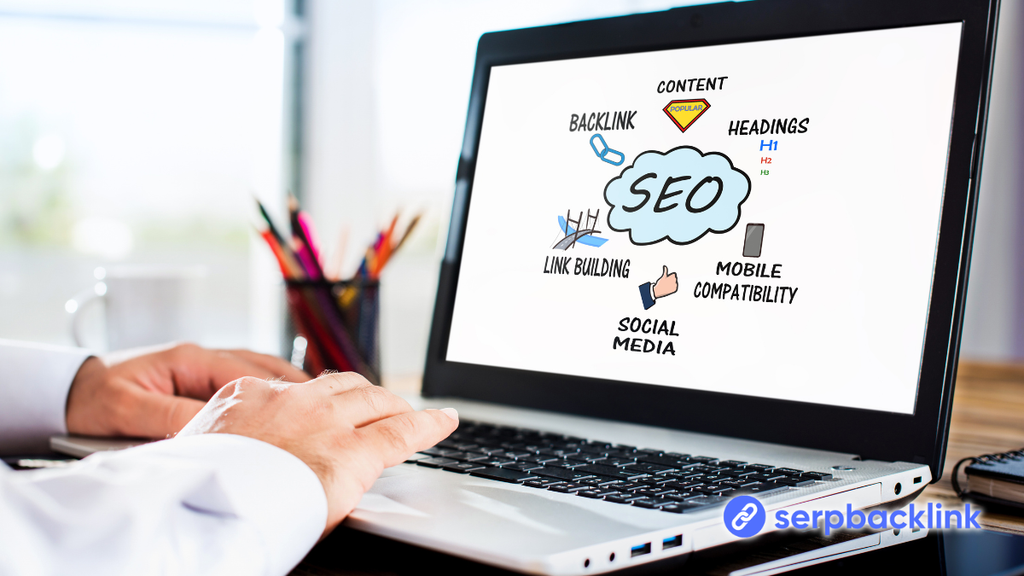
Backlinks are links pointing to your website from another website. They’ve long been an important part of SEO, but the number of links isn’t the only thing that matters.
A better question is:
Why is this website linking to you?
A useful backlink should ideally make sense in context.
When evaluating a potential backlink, look at factors such as:
Authority
Does the referring website have a credible reputation and a genuine audience?
Relevance
Is its subject matter related to your industry, content, or the page being linked to?
Placement
Is the link placed naturally within useful content where readers could actually see and use it?
There are several legitimate ways to earn or build relevant backlinks, including:
- Guest posting: Contribute useful content to another publication and include a relevant link where appropriate.
- Competitor link research: Analyze where competitors have earned links and identify legitimate opportunities for your own website.
- Resource page outreach: Suggest genuinely useful content as a reference for pages that curate resources on a particular subject.
The key word here is relevance.
Getting 100 links from websites that have nothing to do with your topic isn’t automatically better than earning a few links from sites that actually make sense.
2. Work With Industry Experts
Here’s where expertise becomes particularly useful.
If your website covers technical, professional, financial, legal, medical, or other specialized subjects, having knowledgeable people contribute can make your content much stronger.
An expert can provide first-hand experience, original insights, commentary, or explanations that generic content simply can’t reproduce.
There’s also a human side to this.
People are more likely to pay attention to content when they recognize the person behind it. An established expert may also have an existing audience that can discover and share the content.
That can create opportunities for:
- More exposure
- Natural brand mentions
- Referral traffic
- Social sharing
- Editorial links
- Stronger perceived expertise
This doesn’t mean you should add a famous person’s name to an article just to make it look authoritative. The contribution needs to be genuine.
The bigger question is whether the person actually brings something valuable to the content.
3. Create and Optimize a Google Business Profile
For businesses serving a specific location, Google Business Profile (GBP) can be an important part of local search visibility.
The profile, formerly known as Google My Business, allows businesses to provide information that can appear across Google Search and Google Maps.
Depending on the business, customers may see details such as:
- Business name
- Category
- Address
- Phone number
- Business hours
- Services
- Products
- Photos
- Videos
- Customer reviews
A complete and accurate profile also makes it easier for potential customers to understand who you are and how to contact you.
When setting up or improving a GBP, avoid trying to stuff keywords into your business name. Use the actual business name and provide accurate information.
Other useful practices include:
- Select the most appropriate business category.
- Add accurate opening hours.
- Provide complete contact details.
- Use the real business address when applicable.
- Define your service area accurately.
- Add relevant services and products.
- Upload useful photos and videos.
- Keep the profile information updated.
For local businesses, these details aren’t just about SEO. They’re also basic trust signals for people deciding whether to contact or visit a business.
4. Encourage Genuine Customer Reviews
Reviews are another important part of local search and customer trust.
A business with plenty of authentic, positive reviews can look much more credible to someone comparing several options in Google Search or Maps.
But there’s an important distinction here.
Don’t buy fake reviews.
Instead, focus on delivering a genuinely good product or service and then make it easy for satisfied customers to share their experience.
A simple process works well:
- Provide a good customer experience.
- Ask customers politely for an honest review.
- Make the review process easy to access.
- Respond to reviews, including negative ones, professionally.
- Never fabricate or purchase reviews.
A high review rating may help create trust with potential customers, but chasing a particular number shouldn’t become the entire strategy.
Real feedback is much more valuable than artificially inflating your profile.
5. Build Brand Mentions
Not every off-page SEO opportunity has to begin with a backlink.
Sometimes, the brand mention itself can create visibility.
For example, your company might be mentioned during a podcast, webinar, industry event, interview, news story, or article.
There are plenty of ways to create these opportunities naturally:
- Appear as a podcast guest.
- Join webinars or industry discussions.
- Become a source for journalists.
- Speak at relevant events.
- Publish genuinely useful original research or content.
- Participate in industry communities.
- Share unique expertise that other publishers want to reference.
A good example is an industry professional appearing as a speaker or source at an SEO event. The exposure can introduce the person’s name and brand to an audience that may never have discovered them through search alone.
That doesn’t mean you should chase mentions simply for the sake of increasing a number.
If you have limited time, creating something genuinely useful, appearing on a relevant podcast, contributing expert commentary, or producing original content may provide more value than sending dozens of requests asking people to mention your brand.
Off-Page SEO Isn’t Just About Backlinks
This is probably the most important point to take away.
When people talk about off-page SEO, the conversation often jumps straight to backlinks.
Backlinks matter, but they’re only one piece of the puzzle.
A stronger off-page strategy looks at the entire external presence of a website and brand:
Backlinks + expertise + reviews + mentions + relationships + reputation
These activities can also support one another.
An expert contributes to an article. The article gets shared. A publication discovers it. The publication references the research and links to the site. People discover the brand through that article and later search for the company.
That’s a much more natural SEO ecosystem than simply buying or chasing links one by one.
What Should Website Owners Focus On?
There’s no need to launch every off-page tactic at once.
Start with the areas that make the most sense for your website.
If you’re running a local business, make sure your Google Business Profile and customer review process are in good shape.
If you’re running an industry publication or content site, build relationships with experts, publishers, journalists, and other relevant websites.
If you’re focused heavily on SEO and organic search, research your competitors’ backlink profiles, identify realistic opportunities, and create content that deserves to be referenced.
And regardless of the strategy, keep one principle in mind:
Build something people have a reason to mention.
That’s usually a much better long-term approach than trying to manufacture hundreds of artificial signals.
The Bottom Line
Off-page SEO is essentially about what happens beyond your website and how those external signals contribute to your site’s visibility and reputation.
Backlinks remain part of the conversation, but they’re not the whole story. Brand mentions, genuine reviews, expert contributions, local presence, and relationships with relevant websites can all contribute to a stronger digital footprint.
So, what does this actually mean for your SEO strategy?
Don’t think only about how to make Google notice your website. Think about how to make real people, publications, businesses, and communities have a reason to notice it too.
That’s where off-page SEO becomes much more than a link-building exercise.
References:

An SEO Specialist & PR Strategist with over 6 years of experience in outreach guest posting, link building, and content marketing. Focused on building brand awareness through measurable digital marketing strategies. With a background in journalism and a wide professional network.